The SpaceX “Handset” Leak Just Triggered a $250 Billion Operating System War. Meet the 55-Cent Frontrunner.
Elon is reportedly trying to build an OS that doesn’t rely on Big Tech. Mode Mobile didn’t just build one…they used it to redirect over $1 billion in earnings and savings back to their users.
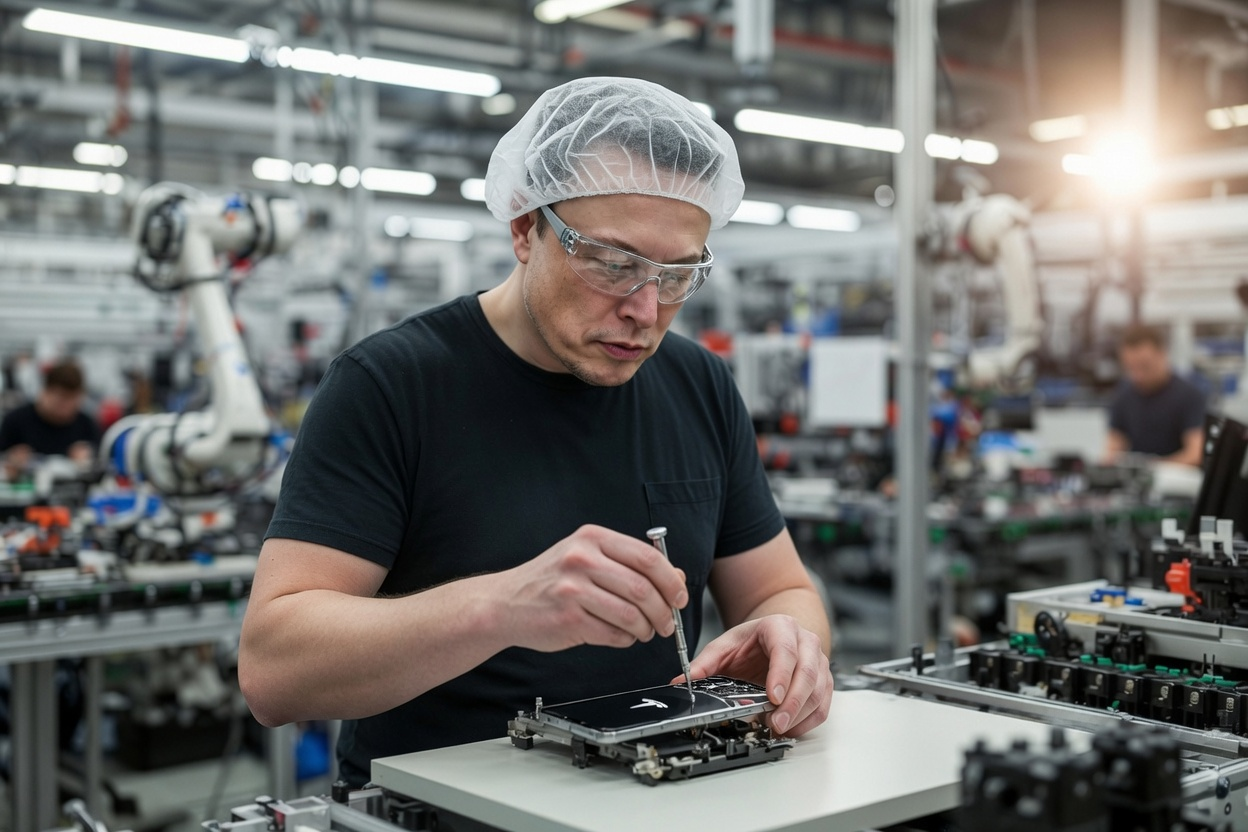
A Wall Street Journal report described a prototype shown to SpaceX investors before the June IPO. Elon Musk denies the device exists.
On July 1, the Wall Street Journal reported a leak from inside SpaceX.
Before going public in June, the paper said, the company had shown investors a prototype phone. The phone was slimmer than an iPhone and ran Elon Musk’s own operating system, with Grok wired into the core.
Elon’s answer came the same day: “utterly false.”
The market read it backwards.
Qualcomm, the chipmaker named in the story, jumped three percent. SpaceX’s own shares fell seven percent. Analysts spent the week guessing what an Elon Musk phone would do to Apple.
I understand the panic.
Reporting attributed to The Wall Street Journal; Elon Musk has publicly denied it. No affiliation implied.
An operating system fight is a fight over who gets paid first.
Advertisers will spend roughly $268 billion inside mobile apps this year, by the latest count. Every one of those dollars crosses an operating system on its way to Apple, Google and the app makers. Each company who owns the operating system holds keys to the register.
Apple’s cut is famous: 30 cents of every dollar spent in its app store. Google takes the same cut across three billion Android phones. Apple and Google have split that money between them for close to two decades. Nobody with serious money has challenged them, because building a rival system meant building phones, carriers, chips and an app store from zero.
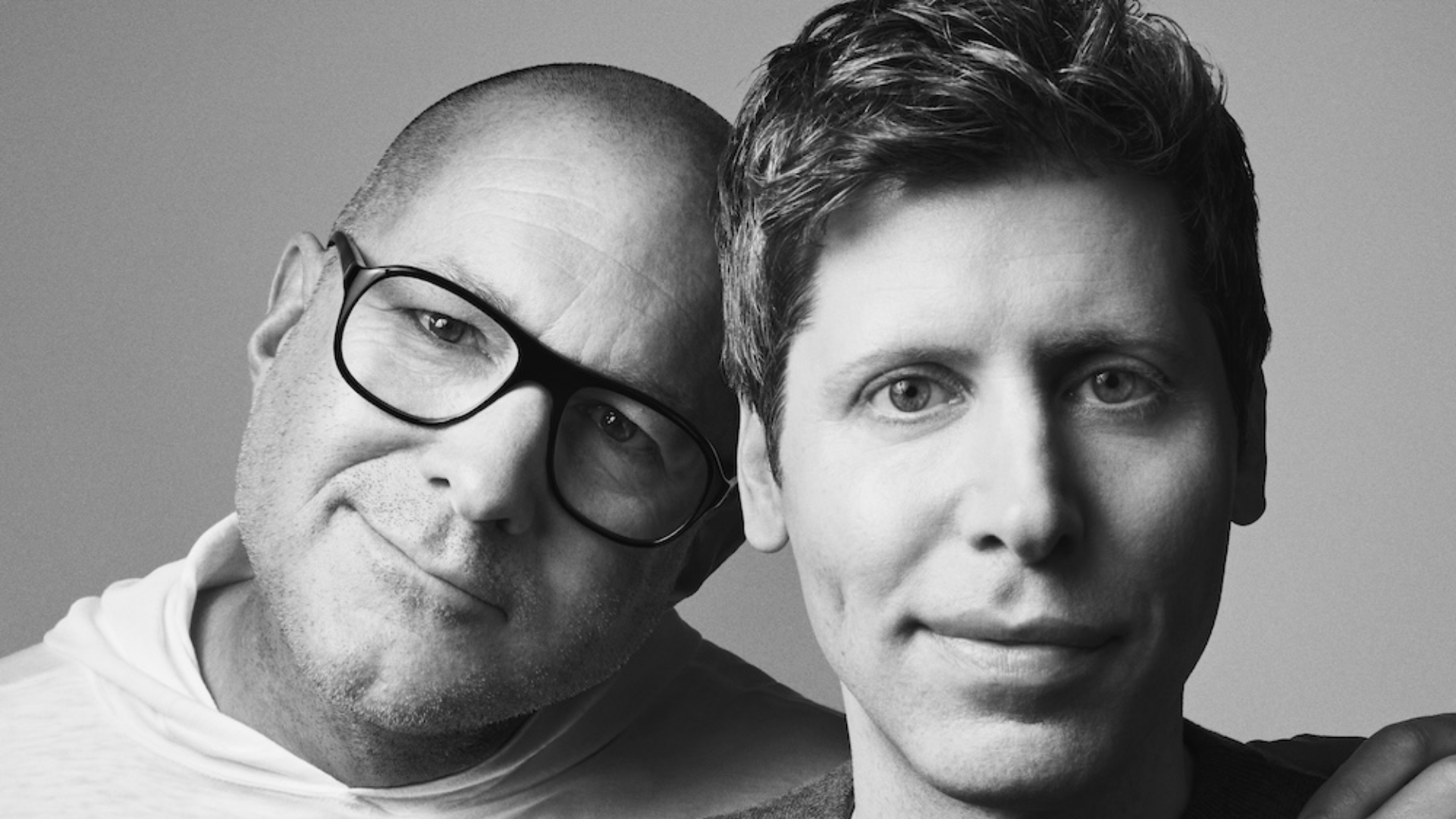
So when a leak says Elon Musk is prototyping his own operating system… and OpenAI has brought in Jony Ive, the man who designed the iPhone… two of the richest companies in the world are coming for Apple and Google at the same time.
One of them may fail. Both of them may fail. It won’t matter to the company I want to tell you about.
It already ships the operating system Musk and OpenAI are still trying to build. It came out of a small startup in Chicago, and its users have earned and saved more than a billion dollars.
The phone looks like any other phone. The difference is who gets paid. Apple and Google keep what they collect from a phone. This one, on the other hand, pays the person who owns it.
It’s called Mode Mobile.
It has about 96 employees in Chicago. And it built an operating system that takes the ad money flowing through a phone and gives a cut of it back to the user.
You listen to music… you earn.
You play a game… you earn.
You charge your phone… you earn.
The money comes from the brands. They pay for your attention every time you use your phone. And Mode cuts you in.
490 million people have used the platform so far… in 170 countries.
Its users have earned more than a billion dollars and left 2 million five-star reviews on Google Play.
Mode’s software works on any Android phone. But the company also sells its own handset — theEarnPhone — with the software already loaded on it.
Best Buy, Walmart and Amazon all put it on their shelves.
And it sold out… everywhere.
Mode hasn’t gone public yet, but the demand is already there. Two funding rounds sold out. More than 60,000 people have invested over $100 million so far, and the company has reserved a Nasdaq ticker — $MODE.
Management is targeting a potential IPO in the next 18 to 24 months.
Here’s why I’m paying attention.
60,000+ investors have put in over $100M.
Two funding rounds have sold out.
The ticker $MODE is reserved on Nasdaq.
Management targets a potential IPO in 18–24 months.
Growth at a glance
The Roku playbook — one platform earlier
I remember when Roku went public. It was September 2017. The company had $400 million in revenue and was still losing money. They didn’t make TVs. They made software… an operating system that sat inside TVs.
You’d buy a TCL or a Hisense and Roku’s software was already on it. Most people didn’t even know it was there.
Every time someone watched a show, Roku got paid. Every ad that ran on that screen, Roku took a cut.
You see the similarity here.
The stock opened at $14. Four years later it hit $479 — a 3,300% return. $10,000 turned into more than $340,000.
+3,300% · $10,000 → $340,000
I thought about Roku when I found Mode. The model is the same. Mode built an operating system for phones that sits inside the device and takes a cut of every ad that runs on it.
The difference is the market. Roku had 270 million smart TVs in the US to work with. Mode has 7 billion smartphones.
Roku ran this model in televisions, Elon is chasing it in phones, and Mode already ships it — with the user on the payroll.
And Mode hasn’t gone public yet.
Two rounds have already sold out.
The ticker is reserved on Nasdaq.
If it lists, 55¢ per share may disappear forever.
I’ve missed these before. I don’t plan to miss this one.
Only 5% of the allocation remaining
Series A now open. Shares available at $0.55 with bonus share incentives for larger commitments.
Investment terms
Min. investment · $0.55 / share · ticker $MODE
“I’ve missed these before. I don’t plan to miss this one.”
The round is open at $0.55 per share.